Posts

Mastering Sanitization with Sodium Dichloroisocyanurate

Image
  In the world of sanitization and water treatment, one compound has earned a reputation as a master in the art of disinfection: sodium dichloroisocyanurate. Often known as SDIC, this unassuming chemical is the key to maintaining clean and safe environments, ensuring water is pure, surfaces are sterile, and health is protected. In this blog post, we'll delve into how sodium dichloroisocyanurate is the master of sanitization and explore the science and applications that make it an indispensable tool in this field. The Chemistry of Cleanliness Sodium dichloroisocyanurate is a white, crystalline powder or granular solid with a molecular formula of C3Cl2N3NaO3. This formula hints at the secret to its powerful disinfection abilities. SDIC contains chlorine, a well-known disinfectant. When this compound is introduced to water, it undergoes a transformation, releasing chlorine ions.            The Power of Chlorine Chlorine ions are the unsung heroes in the b...

Trichloroisocyanuric Acid: A Pool Cleaning Powerhouse

Image
  When it comes to enjoying a refreshing dip in the pool on a scorching summer day, water clarity and hygiene are non-negotiable. One compound that stands out as a pool cleaning powerhouse is Trichloroisocyanuric Acid. In this blog post, we'll dive into the world of Trichloroisocyanuric Acid and explore its pivotal role in maintaining clean, safe, and sparkling swimming pools. Understanding the Pool Owner's Dilemma Pool owners are all too familiar with the constant battle to keep pool water crystal clear and free of harmful microorganisms. Factors like swimmers' contaminants, leaves, algae, and various waterborne bacteria challenge the cleanliness of pool water. This is where the pool owner's best friend, Trichloroisocyanuric Acid TCCA , comes into play. The Power of Trichloroisocyanuric Acid (TCCA) TCCA is a chlorine-based compound renowned for its efficiency in pool water treatment. Let's explore the features that make it a powerhouse in pool cleaning: 1. Immediat...

Unveiling the Best Sources to Buy Poly Aluminium Chloride

Image
  Poly Aluminium Chloride (PAC) is a highly effective coagulant used in a myriad of water treatment applications. If you're in the market for this essential water treatment solution, you'll want to know where to find the best sources to purchase high-quality PAC. In this blog post, we'll guide you through the process of discovering reliable suppliers and ensuring you make the right choice. The Importance of Choosing the Right Source Before we delve into where to buy PAC, let's emphasize why selecting the right source is crucial: Quality Assurance .   Reliable suppliers are more likely to offer PAC products that meet stringent quality standards, ensuring optimal water treatment results. Consistency .   Established sources are known for consistency in product quality and availability, which is vital for uninterrupted water treatment processes. Expert Guidance .   Reputable suppliers often have experts on staff who can provide valuable advice on poly aluminium chloride ...

The Power of Poly Aluminium Chloride in Wastewater

Image
Wastewater, a byproduct of our industrial and domestic activities, often carries a heavy burden of contaminants. Treating this wastewater is not only essential for environmental preservation but also critical for safeguarding public health. Amidst various methods and chemicals used in wastewater treatment, one substance stands out as a true powerhouse: Poly Aluminium Chloride (PAC). In this article, we will explore the remarkable capabilities of PAC and its pivotal role in transforming wastewater into a valuable resource. The Versatility of Poly Aluminium Chloride Poly Aluminium Chloride, commonly referred to as PAC, is a versatile and highly effective coagulant. Its unique chemical composition makes it an ideal choice for the treatment of wastewater from various sources, including industrial processes, municipal sewage, and stormwater runoff. PAC's versatility lies in its ability to target a wide range of contaminants. Coagulation and Contaminant Removal At the heart of PAC's ...

How Caustic Soda Wields its Dissolving Prowess

Image
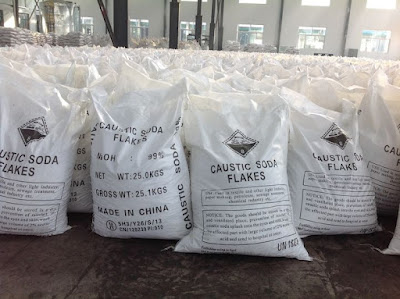
Caustic soda, scientifically known as sodium hydroxide (NaOH), holds a unique power that goes beyond its formidable nature. One of its most intriguing abilities is its remarkable prowess to dissolve a wide range of materials. In this article, we'll dive into the fascinating world of caustic soda's dissolving prowess and understand the science behind its ability to transform solids into solutions. The Dissolving Process Unveiled Dissolving is a process where a solid substance breaks down into individual particles and disperses evenly in a solvent to create a homogeneous solution. When caustic soda comes into contact with a solid material, it initiates a series of reactions that result in the dissolution of the solid. This remarkable feat is due to caustic soda's unique chemical structure and its interactions with different types of substances. Ionic Bond Disruption Caustic soda's dissolving prowess is closely tied to its ionic nature. In its solid state, caustic soda exi...

Unraveling the Chemistry of Poly Aluminium Chloride Behind Effective Purification

Image
  Poly Aluminium Chloride (PAC) has emerged as a powerful coagulant in water purification, offering remarkable effectiveness in removing impurities and ensuring water quality. To truly appreciate its efficacy, it is essential to unravel the chemistry behind poly aluminium chloride and understand how it works to facilitate effective purification processes. In this article, we will delve into the chemical intricacies of poly aluminium chloride, exploring its coagulation mechanisms, its interaction with water contaminants, and the key factors contributing to its success in water purification. The Significance of Water Purification Begin by emphasizing the importance of water purification for public health and environmental sustainability. Discuss the potential contaminants and impurities found in water sources and the need for effective treatment methods. Introduction to Poly Aluminium Chloride (PAC) Introduce poly aluminium chloride as a coagulant widely used in water purification pr...

How to use chlorine tablets in your pool

Image
  M any folks love swimming as a result of fun, exciting, straightforward on the joints, relaxing, and even meditative. Y ou'll be able to get pleasure from it by yourself or along with your family and friends. Some enjoy swimming in an exceedingly lake, whereas others swear by the pool. W hether or not public or private, a natatorium offers many benefits, as well as safety and cleanliness. You can clean pools through water recirculation, maintaining a gentle flow of unpolluted water, and exploitation chlorine tablets. M aybe that's why pool homeowners are invariably trying for pool chlorine tablets since it keeps their water clean, reducing the chances of infections or different diseases. I t's additionally an easy, convenient, and cost-efficient methodology of killing all the microorganism and viruses within the water. What are tablets pool chlorine ? B ecause the name suggests, pool chlorine tablets are tablets created for the medical care of the swimming pool. Ch...